
In August 2020, a falling tree branch in Northern California brushed a power line and triggered a cascade of outages that left thousands without power, right in the middle of a record-setting heatwave. It wasn’t an equipment failure, sabotage, or a preventable vegetation issue. It exposed the fragility of a vast, interconnected grid in an age of climate volatility.
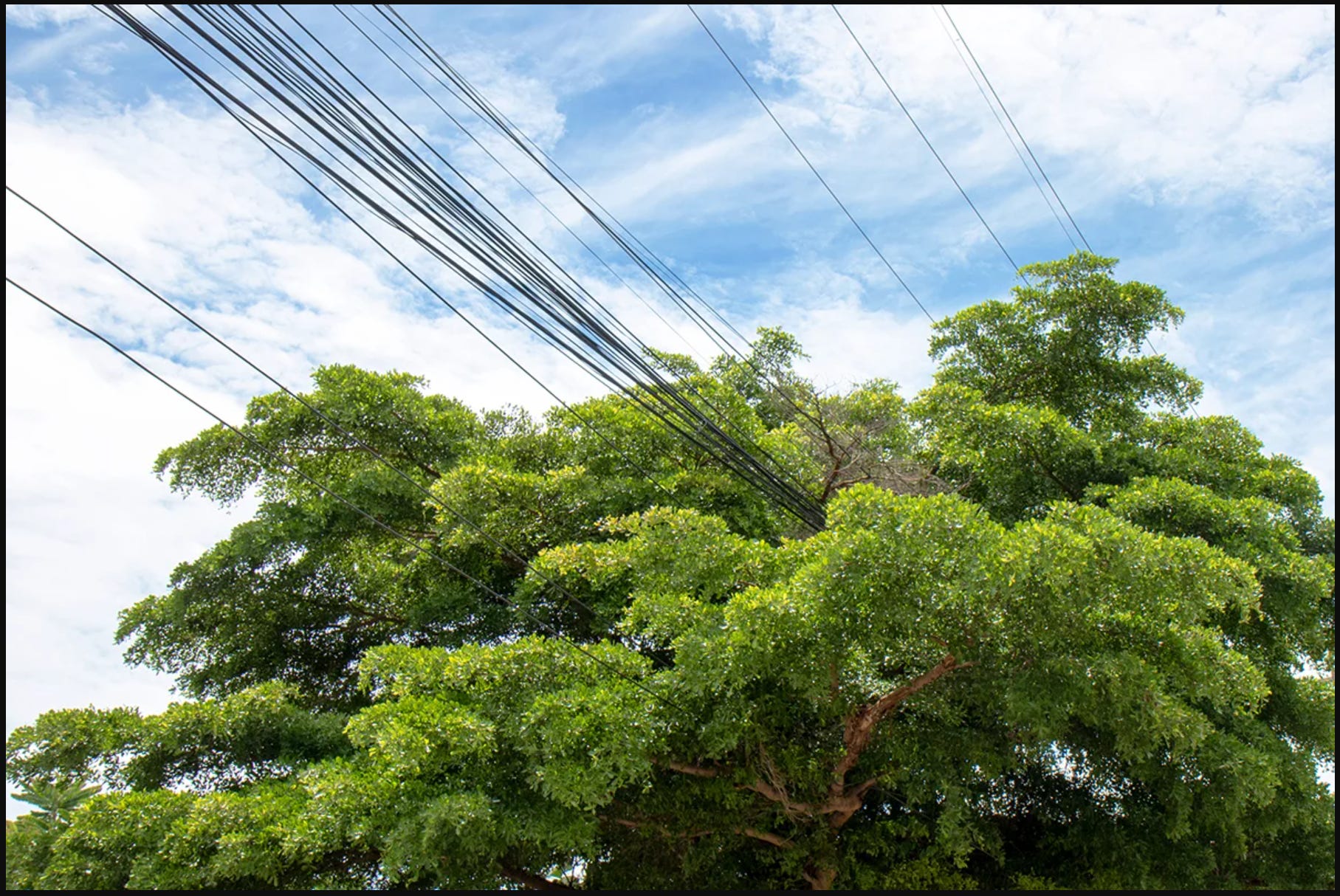
Vegetation management may look like a standard maintenance line item on a utility budget. But in truth, it’s one of the most visible—and most overlooked—indicators of systemic risk. Yet, it’s still often managed with legacy tools and fixed-cycle routines that leave critical corridors vulnerable to climate-driven threats.
Vegetation Management as Grid Intelligence
What if vegetation wasn’t just a hazard, but a signal?
A source of strategic insight?
A driver of operational foresight?
Let’s break it down:
Predictive ≠ Reactive
Time-based trim cycles are designed for predictability, not adaptability. But in the face of accelerating wildfire seasons, shifting storm patterns, and regional droughts, those schedules often lag behind reality.Remote Sensing+ AI = Prioritized Risk
Remote sensing platforms—LiDAR, high-res satellite, and drone—paired with toolsets like GeoML allow utilities to model vegetation growth, canopy encroachment, and fall potential in real time. This isn’t just about clearance; it’s about understanding the consequences.Integrated with Reliability Planning
Vegetation data shouldn’t live in an isolated operations silo. It should inform outage forecasting, grid hardening investments, and climate resilience planning. A risk-aware vegetation layer is fundamental to a modern asset intelligence platform.
The Cost of Not Integrating
Let’s be clear about the stakes:
In high-risk regions, a single vegetation-related outage can cost utilities $1 million or more due to service disruptions, regulatory fines, or wildfire-related liabilities.
One unmonitored mile of encroachment could represent the weakest link in a system that spans thousands of interconnected assets.
Regulations are evolving. In California and other fire-prone states, mandatory wildfire mitigation plans now require utilities to show proactive vegetation risk modeling or face noncompliance penalties.
In short, the cost of not integrating vegetation intelligence into grid planning isn’t just financial—it’s existential.
Building a Proactive Program
"Fixed cycles manage cost. Risk-based strategies manage consequence."
Here’s what a modern, integrated vegetation management strategy should include:
Data Collection
A blend of airborne LiDAR, satellite imagery, and drone flights to assess corridor conditions across broad geographies and changing terrains.Risk Modeling
Incorporate variables like wind load, fuel moisture, slope, and infrastructure criticality to assess where the actual threats lie.Actionable Intelligence
Translate risk into action: prioritize trim plans, recommend grid hardening investments, and feed insights into emergency response strategies.Continuous Monitoring
Establish a digital twin of vegetation—an evolving model that reflects growth, change, and threat accumulation over time.
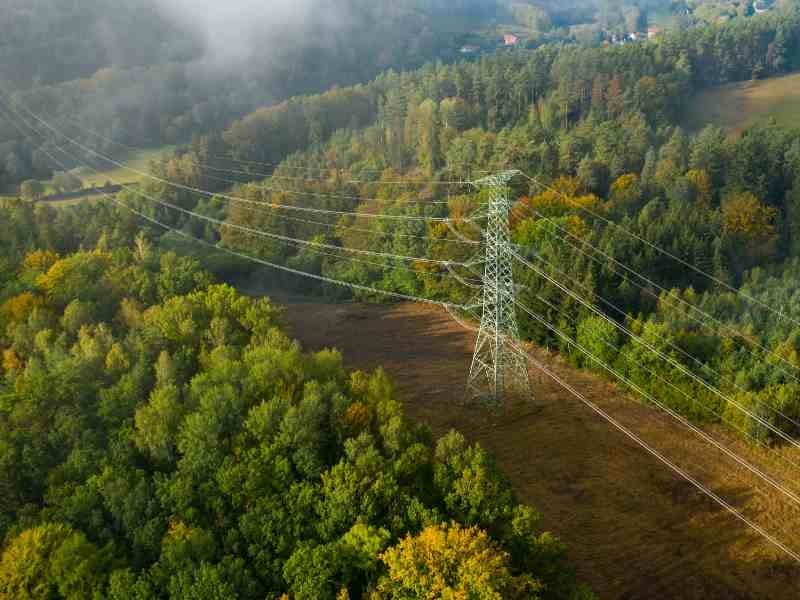
From Green Risk to Green Opportunity
"Every unmonitored tree is a test of our infrastructure’s readiness."
Instead of viewing trees, shrubs, and forests as mere hazards, we can recognize them as valuable real-time data sources. When properly managed, this vegetation is a natural indicator of our infrastructure's health, revealing its strengths and weaknesses.
This shift in perspective—from treating vegetation as a risk to valuing it as a crucial input for resilience planning—allows us to move beyond simply reacting to problems and towards proactive, strategic foresight.
In today's climate of increasing instability, this transformation isn't just an improvement—it's essential.